The road between Laughlin, Kingman, and the old mining camps is not just a way to reach the next photo stop. It is a record of ancient trade routes, Indigenous homelands, railroad ambitions, hard-rock mining, and the travelers who made Route 66 famous. This Mojave history travel guide helps you see more than desert scenery on a day trip – and understand why each stop matters.
The best part is that you do not need to be a historian to enjoy it. You only need time to look beyond the roadside signs, a guide who knows the stories, and an itinerary that leaves room for both the big landmarks and the odd little details.
Start With the Mojave Before the Highways
The Mojave is often described as empty. It is anything but. Long before state lines, dams, and pavement, this region was home to Native peoples whose knowledge of water, weather, plants, and travel made life possible in a demanding landscape. The Mojave people, also called Pipa Aha Macav, have deep cultural ties to the Colorado River corridor. Other Indigenous communities have longstanding connections throughout Northwest Arizona, Southern Nevada, and the wider desert Southwest.
That context matters when you visit places near the Colorado River or travel through wide valleys that appear untouched. Desert travel has always depended on knowing where water could be found, when temperatures turned dangerous, and which routes connected one settlement to another. Modern travelers may cross the region in climate-controlled vans, but the landscape still sets the rules.
As you travel, look for the features that shaped human movement: riverbanks, mountain passes, springs, and broad valleys. They explain why a mining camp appeared in one place rather than another, why an early road followed a certain grade, and why railroad towns became lifelines for remote communities.
Mining Towns Tell the Mojave’s Boom-and-Bust Story
Oatman is one of the most memorable history stops in the region because it still feels like a place built around a rush. Gold discoveries in the early 1900s brought prospectors, businesses, and a rapidly growing population to the Black Mountains. By the 1920s, Oatman had developed into a bustling mining town, with its wooden storefronts, saloons, boarding houses, and dusty streets serving people chasing opportunity.
Then came the familiar western pattern: production slowed, mines closed, and many residents moved on. Oatman survived in part because Route 66 later brought a new kind of visitor. Today, the town’s historic character is part of its appeal, but it is worth remembering that its weathered buildings represent real working lives, financial risk, and a period when gold could change a town almost overnight.
The famous burros are part of that story, too. They are descendants of animals once used by miners and prospectors. They are charming, photogenic, and often right in the middle of the street, but they are still animals. Give them room, follow posted guidance, and never assume a close-up photo is worth making them uncomfortable.
A good Oatman visit works best when you allow time to wander rather than treating it as a quick drive-through. Notice the steep road approaching town, the tight space between the mountains, and the practical reasons a settlement needed supply lines. The scenery makes the history easy to picture.
Route 66 Changed What Oatman Could Be
Route 66 transformed many towns across the Southwest, and Oatman was no exception. Travelers headed between the Midwest and California brought fuel sales, meals, motel stays, and a steady flow of curiosity. The route was not always easy. The mountain grades around Oatman required patience and skill, especially in older vehicles.
When newer highways redirected traffic away from many small towns, some places faded. Oatman found another chapter as a beloved Route 66 stop, where the road itself became part of the attraction. That is the magic of a Mojave day trip: the route can be as memorable as the destination.
Hoover Dam Is a Monument to Water, Labor, and Scale
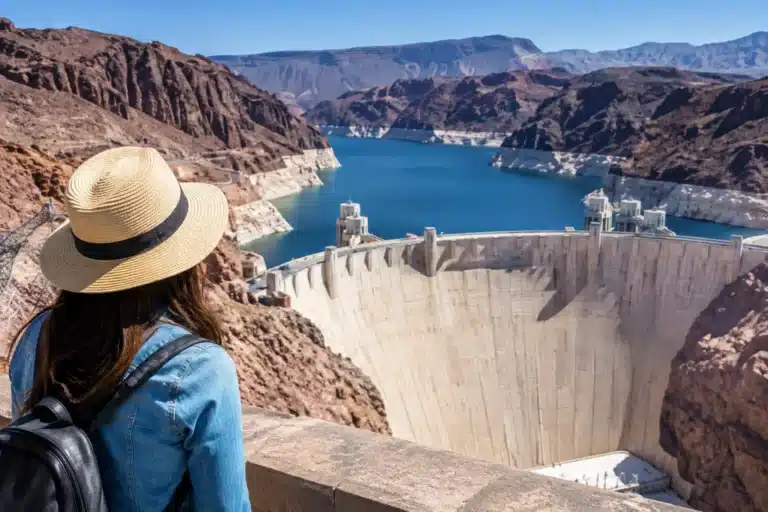
A Mojave history travel guide would be incomplete without Hoover Dam. Its Art Deco design and immense concrete walls make an immediate impression, but its deeper story is about the Colorado River and a massive national effort during the Great Depression.
Construction began in 1931 and brought thousands of workers to a harsh, isolated area. The project created jobs, required extraordinary engineering, and demanded difficult labor in extreme heat. It also permanently changed the river system by creating Lake Mead and controlling water and power in ways that shaped the growth of the Southwest.
The dam is rightly celebrated as an engineering achievement, yet a thoughtful visit includes the trade-offs. Dams produce power, support water storage, and reduce some flood risks. They also alter ecosystems, affect downstream habitats, and carry long-term consequences for communities and water management. Seeing Hoover Dam with that fuller perspective makes the stop more meaningful.
For visitors staying in Laughlin, a guided day trip can take the pressure out of timing, parking, and connecting the dam to the surrounding region. Desert Wonder Tours is especially well suited to travelers who want the stories between major attractions, not just a photo and a return drive.
The Railroad Built the Towns You Pass Through
Kingman is a useful place to understand how railroads organized the modern desert. The railroad did not simply move people across the region. It moved ore, machinery, livestock, mail, supplies, and news. Communities near the tracks gained access to commerce and became service centers for nearby ranches and mines.
When you see rail lines cutting across open desert, imagine the logistical challenge they solved. Before reliable rail service and modern highways, getting heavy equipment into a mining district could be slow, expensive, and uncertain. A rail connection could mean the difference between a promising claim and a working operation.
Kingman later became closely linked to Route 66, adding another transportation chapter to its story. That overlap is one reason the city makes such a strong base or waypoint for history-minded travelers. Railroad history, highway nostalgia, mining heritage, and mountain scenery all meet in one practical stop.
Arizona Joshua Trees Are Part of the Story, Too
The Arizona Joshua Tree Forest is not a man-made historic site, but it belongs on a history-focused itinerary because landscapes influence settlement, work, and travel. Joshua trees create a scene that feels almost prehistoric, especially in soft morning or late-afternoon light. Their presence signals a transition zone shaped by elevation, temperature, and moisture.
This is also a reminder that the Mojave cannot be understood as a backdrop. Its plants, wildlife, and weather affected where roads were built and how long travelers could stay on the move. In summer, heat can be dangerous. In colder months, wind and rapidly changing conditions can surprise visitors who packed only for a casino resort or a riverfront walk.
Bring water, wear closed-toe shoes for uneven ground, and keep your plans realistic. A packed itinerary can work if stops are close together, but history is easier to absorb when you are not racing the clock.
How to Build a History-Focused Mojave Day Trip
The smartest itinerary depends on your starting point and how much driving you want to do. From Laughlin or Bullhead City, Oatman and Kingman make a natural combination for Route 66 and mining history. Add the Joshua tree forest when you want more desert scenery and daylight allows. Hoover Dam works well as its own major outing or as part of a broader Southern Nevada history day.
Choose a small-group or private guided experience if you want local interpretation, hotel pickup, and someone else managing the desert-road logistics. Go independently if you prefer lingering in museums, antique shops, or cafes at your own pace. Either way, do not try to squeeze every landmark into one day. The reward comes from connecting the places rather than collecting them.
Before you leave, check operating hours, seasonal weather, and road conditions. Keep a charged phone, water, sun protection, and a light layer in the vehicle. Cell coverage can be inconsistent beyond town, and the desert is far less forgiving when you are unprepared.
The Mojave rewards travelers who slow down long enough to read the land. Stand on an old Route 66 grade, listen for a train moving through Kingman, or watch the light change on the Black Mountains near Oatman. You may arrive looking for a day away from the casino floor and leave with a much bigger story to take home.