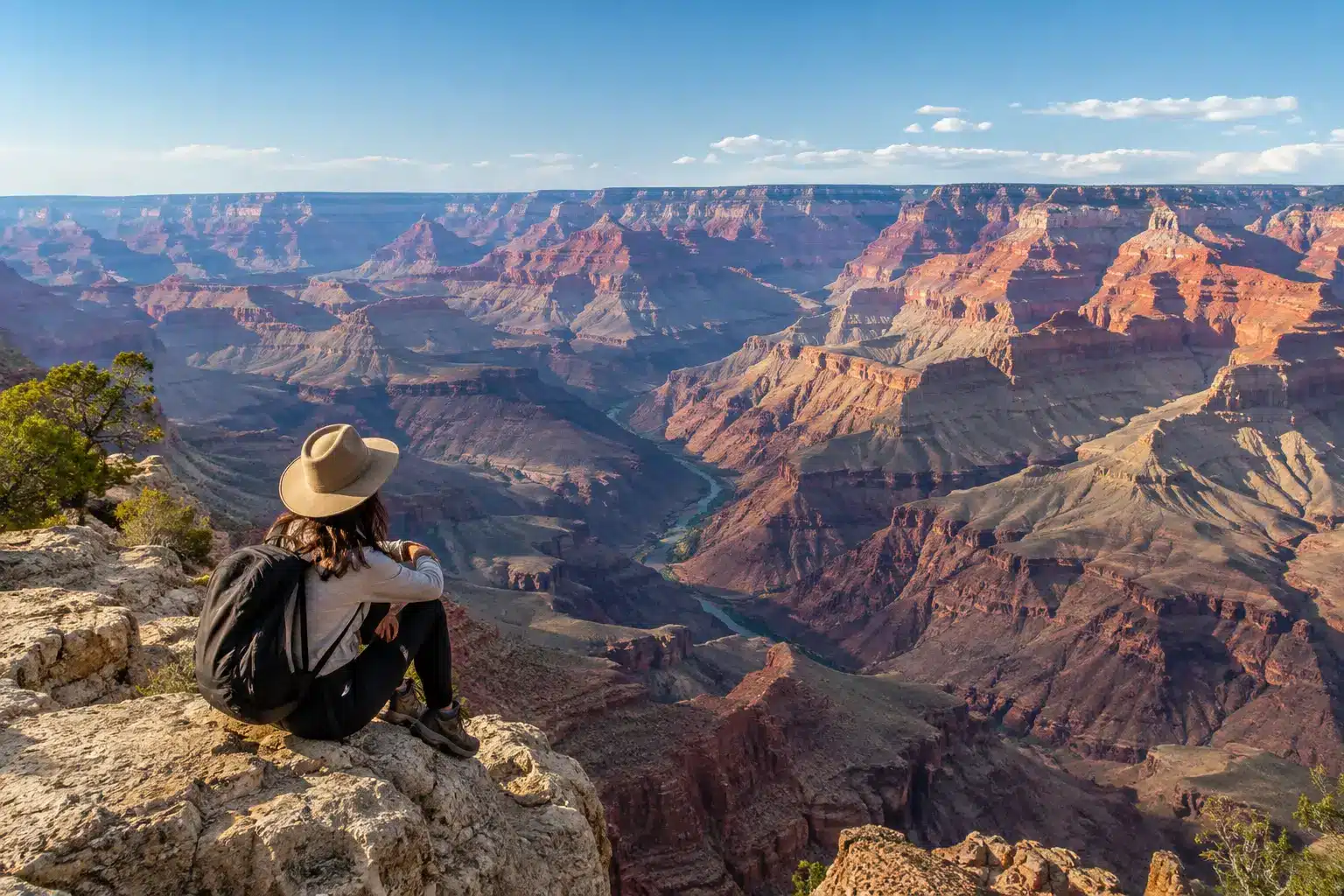
The best Grand Canyon viewpoints are not necessarily the ones with the biggest crowds or the most famous photos. They are the places where you have time to step away from the railing, look into the layers of stone, and feel the scale of the canyon without spending the whole day in transit. For travelers starting in Laughlin, Kingman, or Lake Havasu City, choosing the right rim matters just as much as choosing the right overlook.
A Grand Canyon day trip should feel like a remarkable experience, not a race against the clock. Here is how to select viewpoints that match your route, mobility needs, group, and idea of a great desert day.
Start With the Right Canyon Experience
The Grand Canyon has multiple access areas, and they offer very different kinds of days. The South Rim is the classic national park experience, with a long line of named overlooks, visitor services, historic buildings, and broad paved paths. It is an excellent choice if the canyon is the centerpiece of a longer Arizona trip.
For many visitors based in Northwest Arizona or Southern Nevada, Grand Canyon West is the more practical day-trip option. Located on the Hualapai Reservation, it is closer to Laughlin and Kingman than the South Rim and is designed around a small collection of dramatic stops. You will still see the immense canyon, but with less time devoted to a long drive.
That trade-off is worth understanding before you book or set out. Grand Canyon West is ideal when you want a full, satisfying day with time for Hoover Dam, Route 66, or a relaxed return to town. The South Rim offers more viewpoints and more hiking choices, but it asks for a much longer commitment. Neither is automatically better. It depends on how much time you have and whether you value variety or a deeper national park visit.
The Grand Canyon Viewpoints to Prioritize at Grand Canyon West
Grand Canyon West is compact enough that visitors can experience its signature overlooks in one visit. Plan to pause at each one rather than treating them as quick photo stops. The light, wind, and changing angles make a real difference.
Eagle Point
Eagle Point is one of the most recognizable Grand Canyon viewpoints, named for the eagle-shaped rock formation visible in the canyon walls. It provides a direct, dramatic look into the gorge and is home to the Skywalk, the glass bridge extending over the canyon.
The Skywalk is optional, and it is not the right choice for everyone. Some visitors love the thrill of standing above the drop, while others prefer solid ground and an open view without the extra admission cost. Either way, Eagle Point earns its place on the itinerary. It is accessible, easy to reach, and especially memorable for first-time canyon visitors.
Give yourself a few minutes beyond the main viewing area. The best perspective is often slightly away from the group gathering for photos, where you can take in the canyon’s depth and the sweep of the surrounding desert.
Guano Point
If Eagle Point delivers the iconic first look, Guano Point is where many travelers decide they have found their favorite view. The overlook sits near the remains of an old tramway operation, and a short, uneven climb leads to a high rocky point with wide-open canyon views in several directions.
This stop feels more rugged than Eagle Point. The path to the top is not long, but it is rocky and requires steady footing. Guests who are comfortable walking on uneven terrain are rewarded with one of the most expansive panoramas at Grand Canyon West.
If mobility is a concern, do not feel pressured to make the climb. The lower viewing areas still offer spectacular scenery, and a local guide can help you choose a comfortable place to enjoy it. The canyon is impressive from more than one elevation.
Hualapai Point
Hualapai Point adds cultural context and a different pace to the day. It is a useful stop for travelers who want more than a single overlook, with opportunities to learn about the Hualapai people and the land that makes this visit possible.
The viewpoint experience here is less about chasing the highest perch and more about connecting the scenery to the place. That matters. The Grand Canyon is not just a backdrop for a photo. It is a living landscape with a deep Indigenous history, and visiting with respect makes the experience richer.
What Makes a Viewpoint Great?
A memorable canyon overlook usually has three things: a clear line into the canyon, enough time to absorb it, and a perspective that fits your comfort level. The last point is easy to overlook. A narrow rocky trail may be thrilling for one member of the family and stressful for another.
When planning your stops, consider the people in your group. Families with younger children may prefer established railings, open viewing areas, and shorter walks. Travelers with limited mobility should prioritize accessible paths and avoid assuming every overlook involves a strenuous hike. Couples and photographers may want a less hurried schedule, especially when morning or late-afternoon light adds texture to the canyon walls.
Weather belongs in the plan, too. Summer heat can make exposed areas feel intense by midday, while cooler months bring sharp winds and surprisingly cold mornings. Wear closed-toe shoes for rocky ground, carry water, and bring a light layer even when the forecast looks warm. A viewpoint is much more enjoyable when you are not rushing back to the vehicle to escape the conditions.
Choose Timing for Better Views and a Better Day
Midday is often the easiest time to arrive, but it is not always the most flattering for photographs. High sun can flatten the canyon’s colors. Earlier and later light tends to reveal more contrast in the cliffs, side canyons, and distant mesas.
That does not mean every visitor needs to chase sunrise. On a day trip from Laughlin, a well-paced departure with a knowledgeable driver and a realistic itinerary is usually more valuable than an exhausting pre-dawn start. The goal is to arrive with enough energy to enjoy the place.
Crowds also change the feel of a viewpoint. The busiest spots naturally attract people because they are beautiful and convenient. A small-group experience can make a noticeable difference here. Instead of navigating a large motorcoach schedule, you can move at a more personal pace, ask questions, and spend your attention on the canyon rather than parking logistics.
Desert Wonder Tours builds its regional day trips around that kind of experience, combining comfortable transportation, local insight, and time to enjoy the scenery rather than simply checking off an attraction.
Make the Drive Part of the Experience
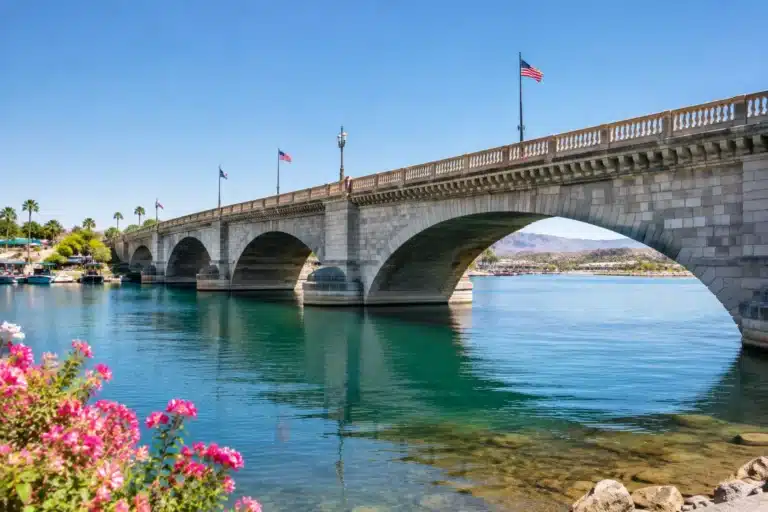
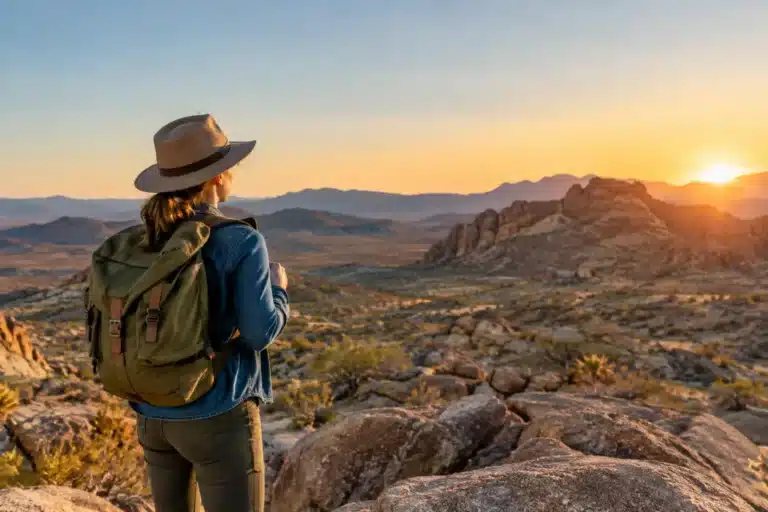
The road to the Grand Canyon can be one of the best parts of the day. From the Laughlin area, the route can bring you through wide Mojave Desert scenery, past Joshua trees, historic roadside towns, and stretches of Route 66 country. A thoughtfully planned trip turns the drive into part of the story instead of dead time between hotel pickup and canyon arrival.
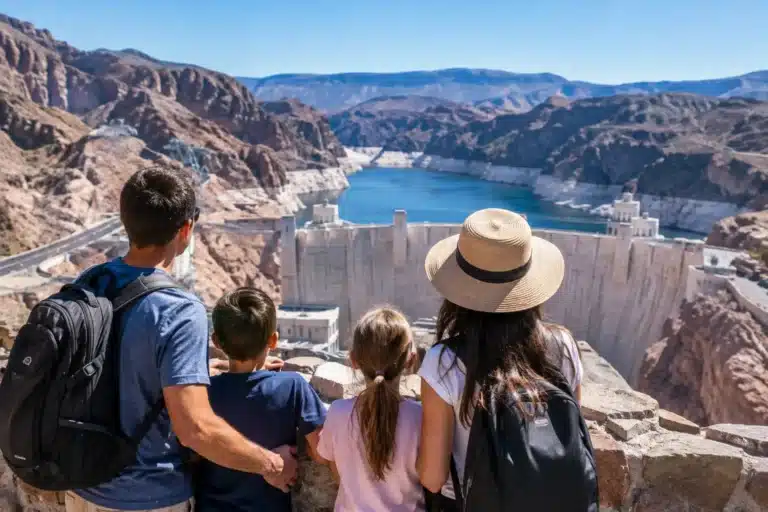
This is another reason not to overpack a schedule. Pairing a canyon visit with a brief Hoover Dam stop or an old Route 66 town can create a more complete Arizona and Nevada experience. Trying to add too many attractions, however, can leave you with only a few rushed minutes at the actual viewpoints.
For most guests, two or three well-chosen stops are better than a long checklist. Leave room for a restroom break, lunch, photos, and the unexpected moments that often become the favorite part of the day: desert bighorn sheep in the distance, a changing patch of light on the canyon wall, or a guide sharing a local story you would never hear from a roadside sign.
A Few Practical Details Before You Go
Grand Canyon West requires admission, and optional activities such as the Skywalk may have separate costs. Policies, hours, transportation arrangements, and seasonal conditions can change, so confirm current details before departure. If you are traveling independently, allow extra time for parking, entry, and moving between stops.
Bring identification, water, sun protection, and a charged phone or camera. Do not rely on cell service everywhere. Keep children close at overlooks, stay behind safety barriers, and never step onto unstable ground for a better photo. The canyon has been here for millions of years. No picture is worth taking a risk near its edge.
The right viewpoint is the one that lets you slow down long enough to remember what you saw. Give yourself that time, look beyond the first photo, and let the canyon do what it does best: make the rest of the day feel very small in the best possible way.